
A Deep Dive into Helldivers 2 Concept Art, and Game Development
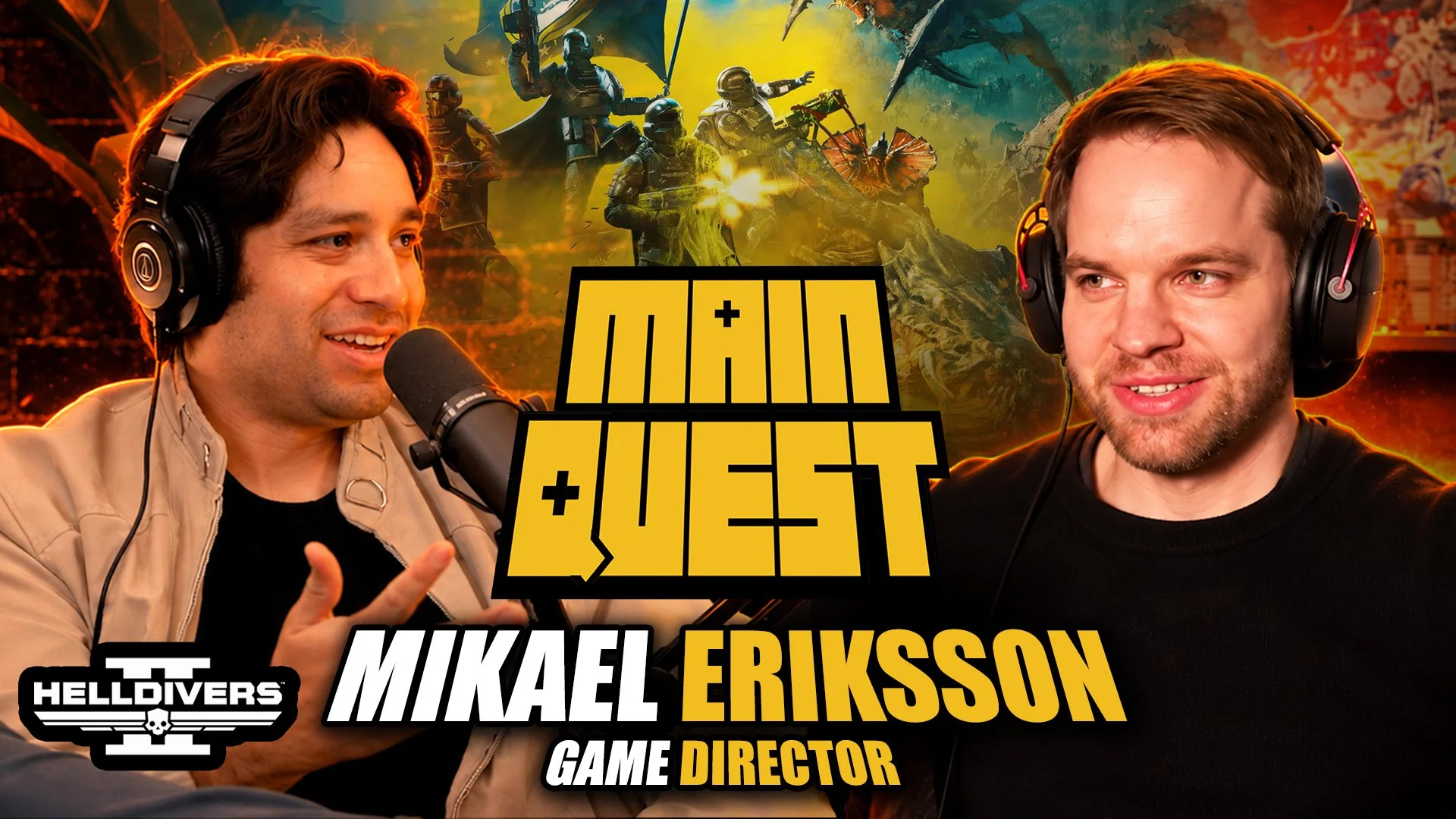
Understanding the Magic of Helldivers 2
Helldivers 2 is not just another video game; it represents a significant evolution in the gaming industry. In our conversation with Mikhail Erickson, we dive into what makes this game unique and how it has influenced the industry landscape. The concept of blending high-tech elements with a magical feel has created an immersive experience for players.
The Journey into Gaming
Mikael’s journey into video games began at a young age when he played legendary titles like Super Mario 64 and The Legend of Zelda: Ocarina of Time. These games sparked his creativity and passion for storytelling. However, it wasn’t until he stumbled upon a YouTube video by renowned concept artist Feng Zhu that he realized he could combine his love for art and gaming. This pivotal moment transformed his passion into a career path.
The Role of Concept Art in Game Development
Concept art is a crucial aspect of game development, serving as the visual foundation for characters, environments, and overall aesthetics. Mikhail explains that the process isn’t just about creating a detailed illustration; it’s about collaboration. Concept artists work closely with character artists and designers to ensure that the vision is realized through teamwork.
Collaboration Over Individualism
One of the key insights from Mikhail is the emphasis on collaboration in the creative process. Rather than adhering strictly to the original concept art, the team works together to adapt and refine designs based on gameplay needs and artistic vision. This collaborative spirit fosters creativity and results in a more dynamic final product.
The Evolution of Ideas
Mikhail highlights the iterative nature of concept art. Initial designs serve as a starting point, but they evolve through discussions and feedback among team members. This process not only enhances the quality of the game but also allows for a shared sense of ownership and creativity among the entire team.
Overcoming Pressure in Creativity
As Mikhail points out, junior artists often face pressure to deliver perfect work right from the start. However, with experience, they learn to let go of this pressure and embrace the iterative process. This shift in mindset allows for a healthier creative environment where everyone feels valued and encouraged to contribute their ideas.
The Final Product: A Collective Experience
The ultimate goal of concept art and game development is to create an engaging experience for players. Mikhail emphasizes that it’s not just about individual achievements but about crafting a memorable journey that players can share. The collaborative effort culminates in a game that resonates with its audience.
Key Takeaways
1. The Power of Collaboration: Game development thrives on teamwork and shared creativity.
2. Iterative Design: Concept art evolves through feedback and collaboration, leading to better gameplay experiences.
3. Embracing Creativity: Overcoming the fear of failure allows artists to explore new ideas and contribute to the final product.
4. Shared Ownership: The final game is a collective achievement, reflecting the contributions of all team members.